
Description
Understanding trends – Making decisions – Controlling the impact
Ventilation is not a routine action, but a tactical decision.
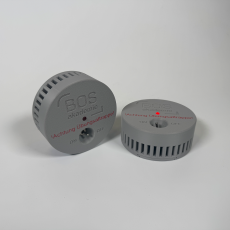
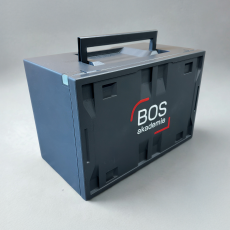
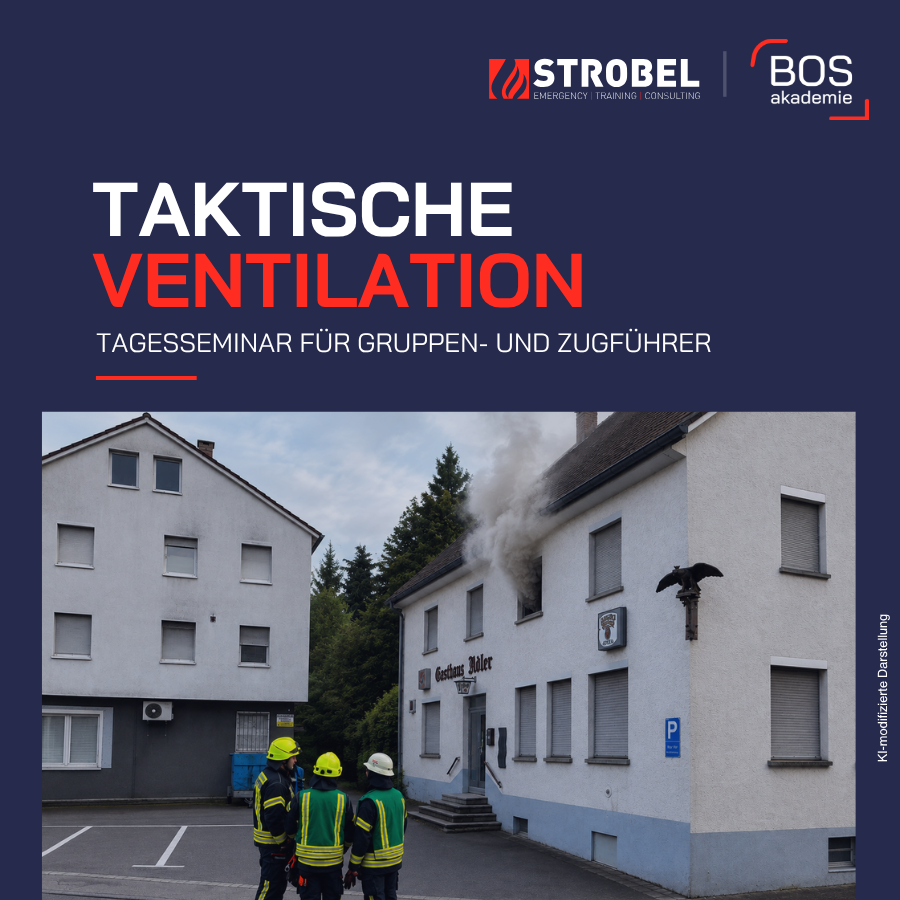
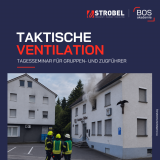
An empty inn in Leinzell is available for the seminar; it will subsequently be demolished. This allows smoke and flow experiments to be conducted under realistic conditions. The particular strength of the concept lies in the combination of short fundamental lectures and experiments on the Taktik-Trainer and practical exercises on the actual building.
The day is intentionally designed not to cover as many individual topics as possible. The focus is on a deeper understanding of how fire, openings, and ventilation measures interact – and what management decisions result from this.
Learning objective
Participants recognize, assess, and influence flow conditions during firefighting operations. They do not use ventilation as a routine, but define a tactical goal, choose a suitable measure, coordinate the timing and continuously monitor its effect.
- Using smoke patterns and flow paths as guidance information
- Assess the effects of doors, windows, supply and exhaust air, and fan operation.
- Recognizing when ventilation is possible – and when it is deliberately not possible.
- Justify decisions, communicate them, and adapt them to changes in the situation.
What to expect
1 Introduction and common basics
A brief, engaging introduction to smoke patterns, flow paths, and the effects of openings. The theoretical component establishes a common language and remains limited to what is necessary for the subsequent experiments.
2 Experimental phase
In small groups, individual influencing factors are systematically changed – such as doors, windows, supply and exhaust air, fans, and smoke curtains. Before each change, the participants formulate a prediction; afterwards, they observe, compare, and explain the effect.
3 Transfer to operational tactics
The findings will be presented at Taktik-Trainer Applied to a typical operational situation. The crucial factor is not a one-size-fits-all solution, but a comprehensible management process: assessing the situation, defining the objective, selecting the appropriate measure, and determining the success criteria.
4 Practical implementation on the building
Targeted individual trials and realistic operational simulations bridge the gap between theory and practice. Managers make decisions, receive feedback on the developing situation, and must reassess their measures under changing conditions.
Training on the actual building
A key component of the seminar is the practical application to a Vacant training facility in 73575 Leinzell. In this way, the previously established relationships are not only visible in the model, but are directly transferred to real spatial conditions.
implementation
The seminar is being jointly conducted by ETC Strobel and BOS-Akademie.
Leadership begins with understanding. Ventilation is a decision.
Flyer
Link to the flyer: Open flyer